The Best Foods for Your Healthy Weight Journey
The Best Foods for Your Healthy Weight Journey
1. Whole eggs
Once feared for being high in cholesterol, whole eggs have been making a comeback.
These fears were rooted in misconceptions that overlooked how your body regulates cholesterol levels. Your body sources it, as needed, from your diet or your liver to maintain its baseline levels (1Trusted Source).
While people with elevated baseline levels of LDL (bad) cholesterol should be more conscious of how much cholesterol they get in their diet, moderate egg consumption — between 7–12 eggs a week — has been proven safe for many people (1Trusted Source, 2Trusted Source, 3Trusted Source, 4Trusted Source).
Although a higher intake of eggs may raise the levels of LDL cholesterol in some people, eggs are one of the best foods to eat if you’re looking to reach or maintain a healthier weight.
Eggs are incredibly nutrient-dense. Interestingly, almost all its nutrients are found in the yolks — like choline and vitamin D — though egg whites deliver 4–6 grams of protein each (5Trusted Source).
Because they’re high in protein and fat, they help you feel full (6Trusted Source, 7Trusted Source).
That’s key, because responding to your body’s internal fullness and hunger cues can help you reach or maintain a healthy weight. In other words, getting in the habit of eating when you’re hungry and stopping when you’re full can help your weight loss goals (8Trusted Source, 9Trusted Source).
Similarly, another study among 48 healthy adults found that those who ate an egg-based breakfast, either high or moderate in both protein and fiber, reported higher satiety than those who ate low fiber cereal and milk (11Trusted Source).
Since feeling satiated can help combat overeating driven by feeling overly hungry, eating eggs may support your weight loss goals while also packing a ton of healthful nutrients into your day.
2. Leafy greens
Leafy greens include kale, spinach, collard greens, Swiss chard, and a few others.
They have several properties that make them perfect for reaching or maintaining a healthy weight. For example, they pack fiber and nutrients that keep you satiated and hydrated.
What’s more, leafy greens contain thylakoids, plant compounds that have been linked with increased satiety and better appetite management in at least two human studies (12Trusted Source, 13Trusted Source, 14Trusted Source).
It’s worth noting, however, that both studies are small, and participants took a 5-gram thylakoid supplement — the amount found in about 3.5 ounces (100 grams) of raw spinach (13Trusted Source, 14Trusted Source).
Those receiving even a single dose of the supplement reported better appetite management, resulting in weight loss (13Trusted Source, 14Trusted Source).
However, more research in humans is needed to understand the effect of thylakoids from food sources as a tool for achieving a healthy weight — as well as their long-term effects in supplement form.
In the meantime, leafy greens boast an assortment of fiber and micronutrients and are almost always a great addition to your diet (15Trusted Source, 16Trusted Source).
Adding leafy greens to your diet can help you feel satiated and reduce cravings for less nutritious foods. Learning to respond to your body’s internal cues of hunger and fullness can aid your larger healthy weight loss goals (8Trusted Source, 9Trusted Source).
If you’re taking medications, such as blood thinners like warfarin (Coumadin), speak with a healthcare professional or a registered dietitian about how many leafy greens you should eat daily to find the right balance.
Leafy greens are high in vitamin K, which may interact with your medication. Consistent vitamin K intake is key (17Trusted Source).
3. Salmon
Fatty fish like salmon are incredibly nutritious and very satisfying.
Salmon is loaded with high quality protein, healthy fats, and various important nutrients. That combination keeps you satiated and can help you reach a healthier weight (18Trusted Source).
Salmon is loaded with omega-3 fatty acids, which may help reduce inflammation. Inflammation plays a major role in obesity and metabolic disease (19Trusted Source, 20Trusted Source, 21Trusted Source).
What’s more, fish — and seafood, in general — may also supply a significant amount of iodine.
The nutrient is necessary for proper thyroid function, which is important to keep your metabolism running optimally (22Trusted Source).
But studies show that a significant number of people don’t fill their iodine needs. Adding fatty fish to your diet can help you consume enough iodine (Trusted Source22Trusted Source).
Mackerel, trout, sardines, herring, tuna, and other types of fatty fish are also excellent for your health.
4. Cruciferous vegetables
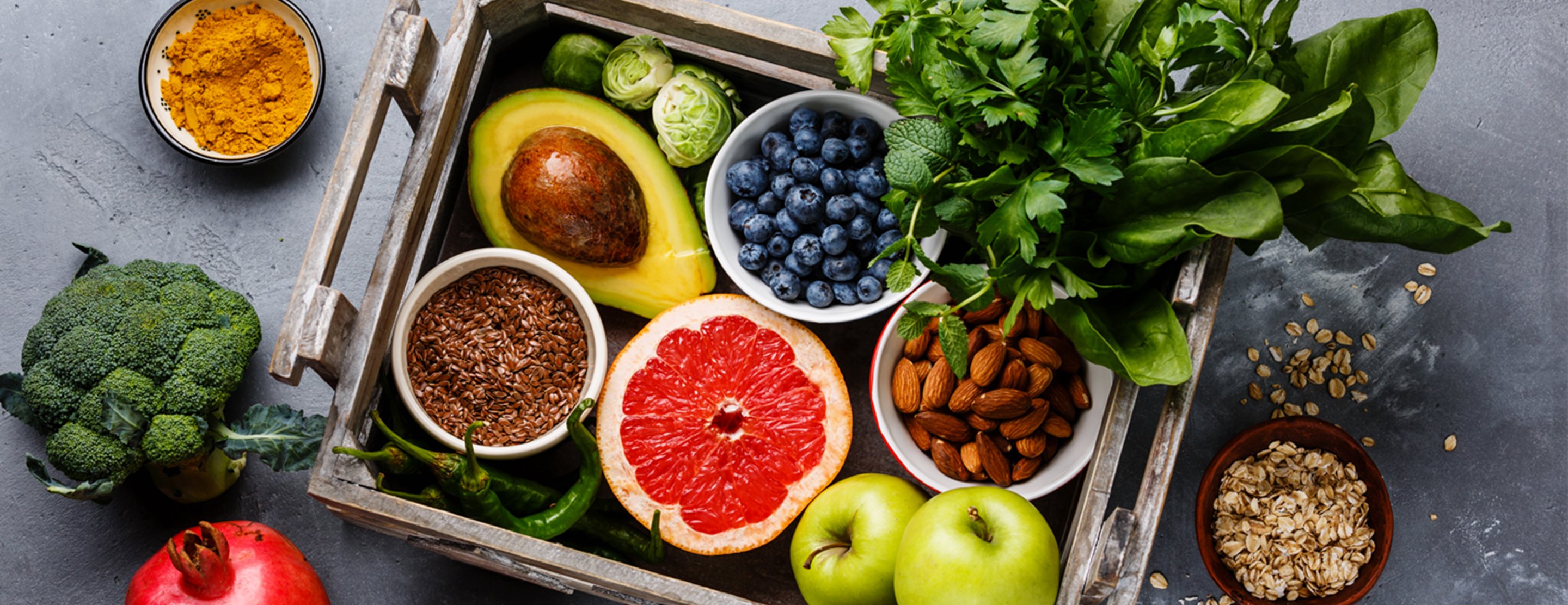
Cruciferous vegetables include broccoli, cauliflower, cabbage, and Brussels sprouts.
Like other vegetables, they’re high in fiber and tend to be incredibly filling.
What’s more, these types of veggies contain decent amounts of protein. They’re not nearly as high in protein as animal foods or legumes, but still high for vegetables (23Trusted Source, 24Trusted Source, 25Trusted Source, 26Trusted Source).
A combination of protein, fiber, and low energy density (low calorie content) makes cruciferous vegetables the perfect foods to include in your meals if you want to lose weight (27Trusted Source).
They’re also highly nutritious and contain compounds that may lower your risk of developing cancer. Keep in mind, though, that no amount of cruciferous vegetables can replace recommended cancer screenings or proper cancer treatment (28Trusted Source).
6. Potatoes and other root vegetables
White potatoes seem to have fallen out of favor — possibly, at least in part, due to the rise of lower carb diets.
For what it’s worth, potatoes and other root vegetables have several properties that make them wonderful foods for weight loss and optimal health.
They contain an incredibly diverse range of nutrients — a little bit of almost everything you need.
They’re particularly high in potassium, a nutrient that most people don’t get enough of. Potassium plays an important role in blood pressure management (35Trusted Source).
On a scale called the Satiety Index, which measures how filling different foods are, boiled white potatoes scored the highest of all the foods tested (36Trusted Source).
What this means is that by eating boiled white or sweet potatoes, you’re more likely to naturally feel full. You’ll also be providing your body with essential nutrients.
If you allow potatoes to cool for a while after boiling, they will form high amounts of resistant starch, a fiber-like substance that has been shown to have various health benefits, including weight loss (37Trusted Source).
Sweet potatoes, turnips, and other root vegetables are also excellent choices.
7. Tuna
Tuna is another satiating high protein food.
It’s a lean fish, meaning it has protein, which helps keep you full, as well as healthy fats. Among these healthy fats is docosahexaenoic acid (DHA), a form of omega-3 fatty acid, which may benefit your heart (22Trusted Source, 38Trusted Source, 39Trusted Source).
Eating fish like salmon and tuna can be a great way to increase your protein intake, with nutritious fish fats to support your eyes and brain (39Trusted Source, 40Trusted Source, 41Trusted Source).
If you’re eating tuna canned, choose varieties canned in water if you’re aiming to eat fewer calories. Tuna packed in oil ups the calories, fat, and sodium, but could be more filling. It depends on what your needs are that day (42Trusted Source).
8. Beans and legumes
Beans and other legumes can be beneficial for weight loss. These include lentils, black beans, kidney beans, and some others.
Those foods tend to be high in protein and fiber, which are two nutrients that promote satiety. They also tend to contain some resistant starch (43Trusted Source, 44, 45).
Due to their high fiber content, beans can cause gas and bloating in some people. Preparing them properly can help mitigate these side effects, though. Try buying your beans dry and soaking them for several hours before preparing.
9. Soups
Soup can be a delicious way to increase your intake of vegetables and whole grains you may not get enough of otherwise. However, soup varieties that are cream-based or that include processed meats aren’t going to provide the same nutritional boost.
Between the slurping, smelling, tasting, cooling, and chewing, soup takes some people longer to eat than other foods. Eating slowly may help you eat more mindfully. It could also help keep you from eating past fullness (46Trusted Source, 47Trusted Source, 48Trusted Source).
Feeling satisfied and nourishing your body while listening and responding to your body’s hunger and fullness cues are important in reaching and maintaining a healthy weight.
If you would like a richer soup, there are ways to increase its creaminess without the use of heavy cream, which can add less healthy saturated fat.
Try blending in avocado, which helps increase the fiber count of your soup, or cashews. You can also slice avocado on top as a garnish to the soup (49Trusted Source, 50Trusted Source).
Because soups are inherently liquids, and therefore hydrate you, they may promote fullness and support weight management. Incorporating a vegetable-based clear soup before your meal can be a way to feel more satisfied and to lose weight healthfully (51Trusted Source).
Heads up
Trying to “do it right” when it comes to nutrition may feel tempting, but it can backfire. If you are preoccupied with food or your weight, feel guilt surrounding your food choices, or routinely engage in restrictive diets, consider reaching out for support. These behaviors may indicate a disordered relationship with food or an eating disorder.
Disordered eating and eating disorders can affect anyone, regardless of gender identity, race, age, socioeconomic status, or other identities.
They can be caused by any combination of biological, social, cultural, and environmental factors — not just by exposure to diet culture.
Feel empowered to talk with a qualified healthcare professional, such as a registered dietitian, if you’re struggling.
You can also chat, call, or text anonymously with trained volunteers at the National Eating Disorders Association helpline for free or explore the organization’s free and low cost resources.
10. Cottage cheese
Dairy products tend to be high in protein.
One of the most protein-rich dairy products is cottage cheese, which is mostly protein.
Eating cottage cheese is a great way to boost your protein intake, which is important for building and maintaining muscle. It’s also very satiating and high in calcium.
There may even be a relationship between calcium intake and healthy weight, but more research is needed in this area (52Trusted Source, 53Trusted Source).
Other high protein dairy products include Greek yogurt and skyr.

Comments
Post a Comment